


A New Option for Better Breathing
Modern, minimally invasive approach to traditional septoplasty
Could it be your septum?Deviated Septum is the #1 Contributor to Nasal Airway Obstruction¹
Do you struggle to breathe through your nose? Ongoing congestion, poor sleep, headaches, difficulty exercising, or simply feeling like you can't get enough air could all be signs of a deviated septum.
Nasal congestion

Difficulty breathing
Poor sleep

Headaches

Exercise intolerance
The problem: Deviated septumCould a Deviated Septum Be Affecting Your Breathing?
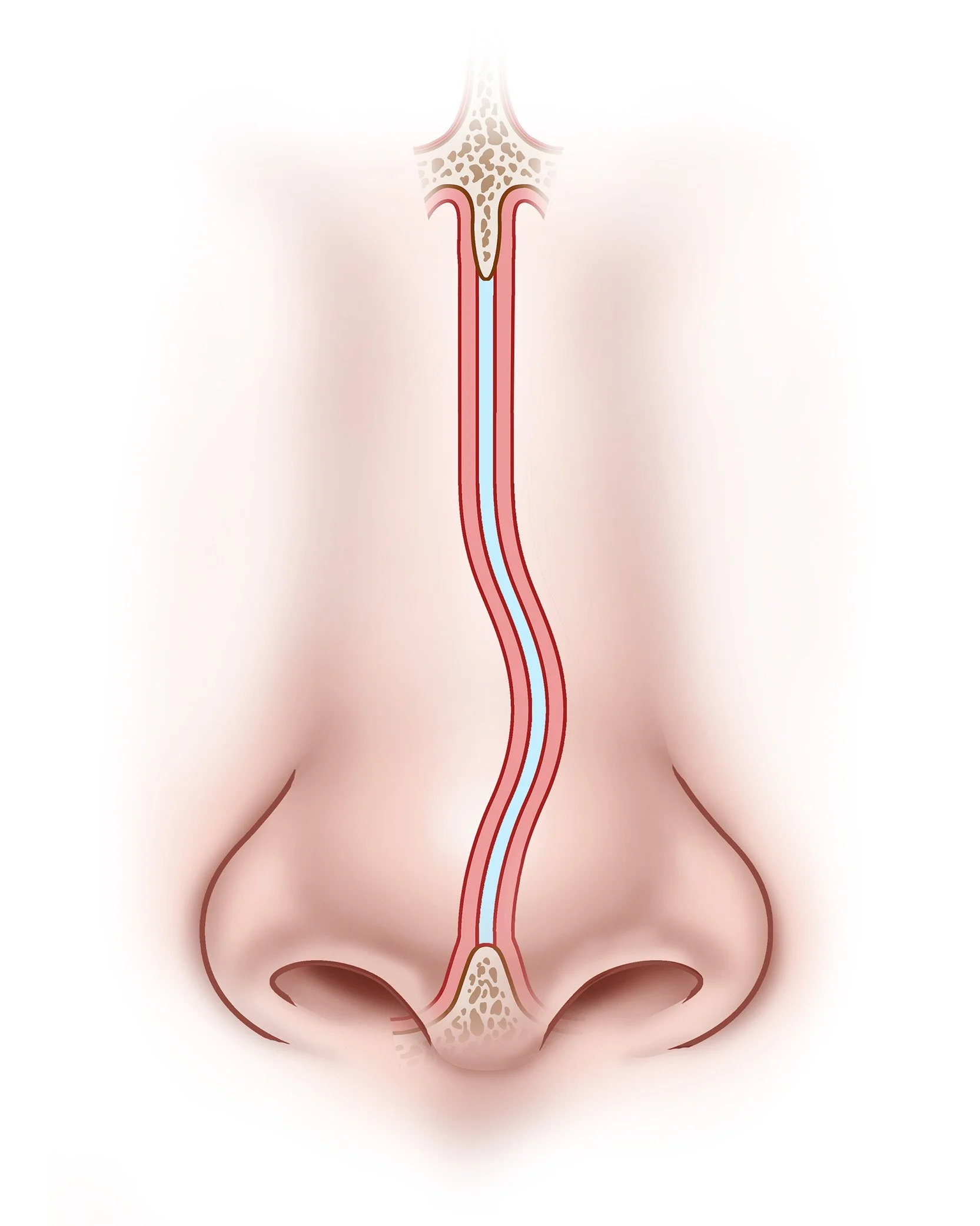
A deviated septum is the most common cause of nasal airway obstruction (NAO). An estimated 8 out of 10 people have a deviated septum.² When the wall separating your nasal passages is crooked, it can restrict airflow, making it difficult to breathe comfortably through your nose.
Clark DW, et al. Nasal Airway Obstruction: Prevalence and Anatomic Contributors. Ear, Nose & Throat Journal. 2018;97(6):173-176. doi:10.1177/014556131809700615
https://my.clevelandclinic.org/health/diseases/16924-deviated-septum

Meet SeptAlign
New Minimally Invasive, Patient-Friendly Septoplasty
SeptAlign is a new patient-friendly approach to septoplasty that straightens your deviated septum while preserving your natural anatomy.
Unlike traditional septoplasty, which typically involves cutting and removing cartilage and bone, SeptAlign is designed to improve your breathing without cutting or removing healthy cartilage.
How SeptAlign Works 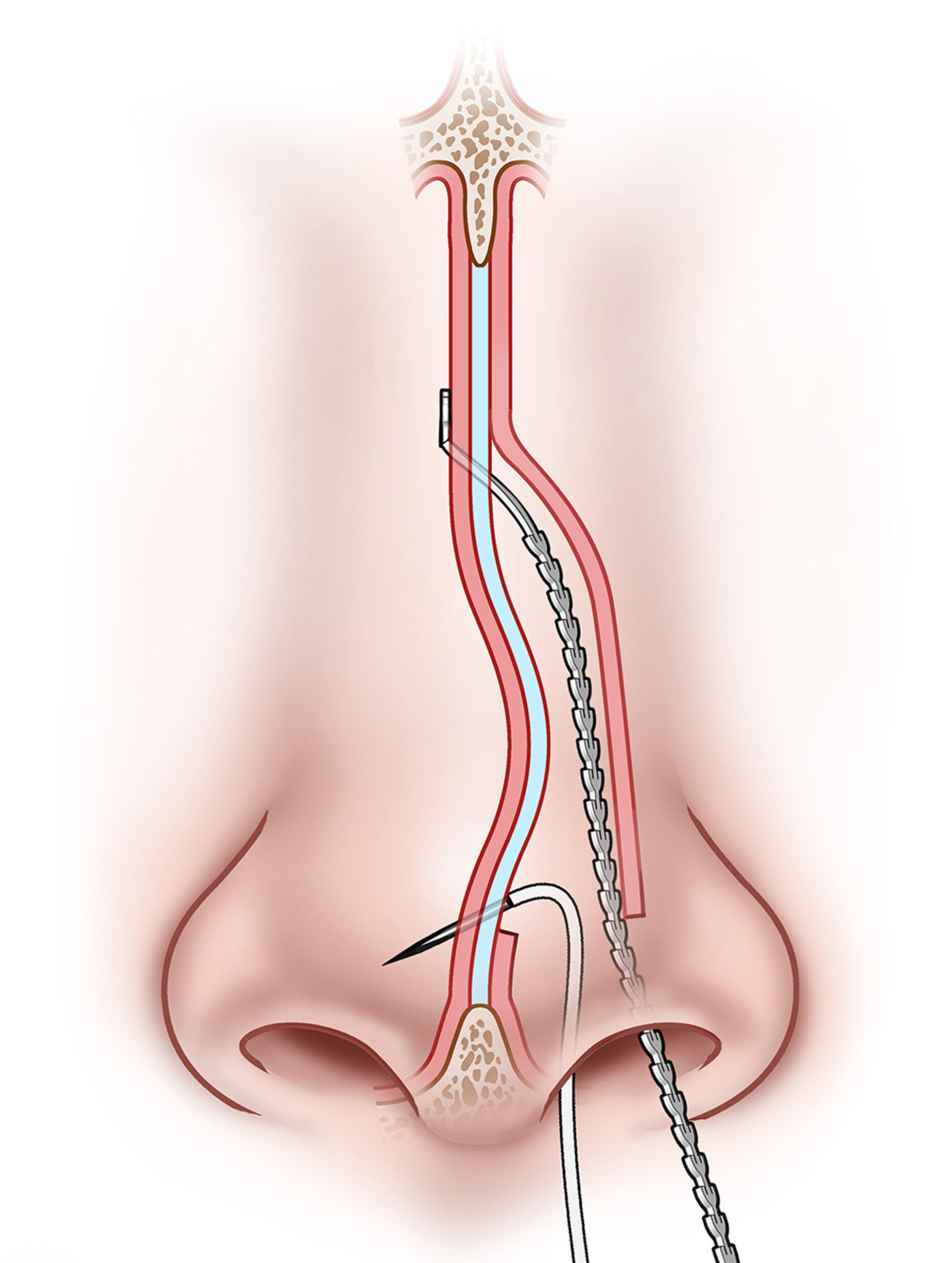
Straighten
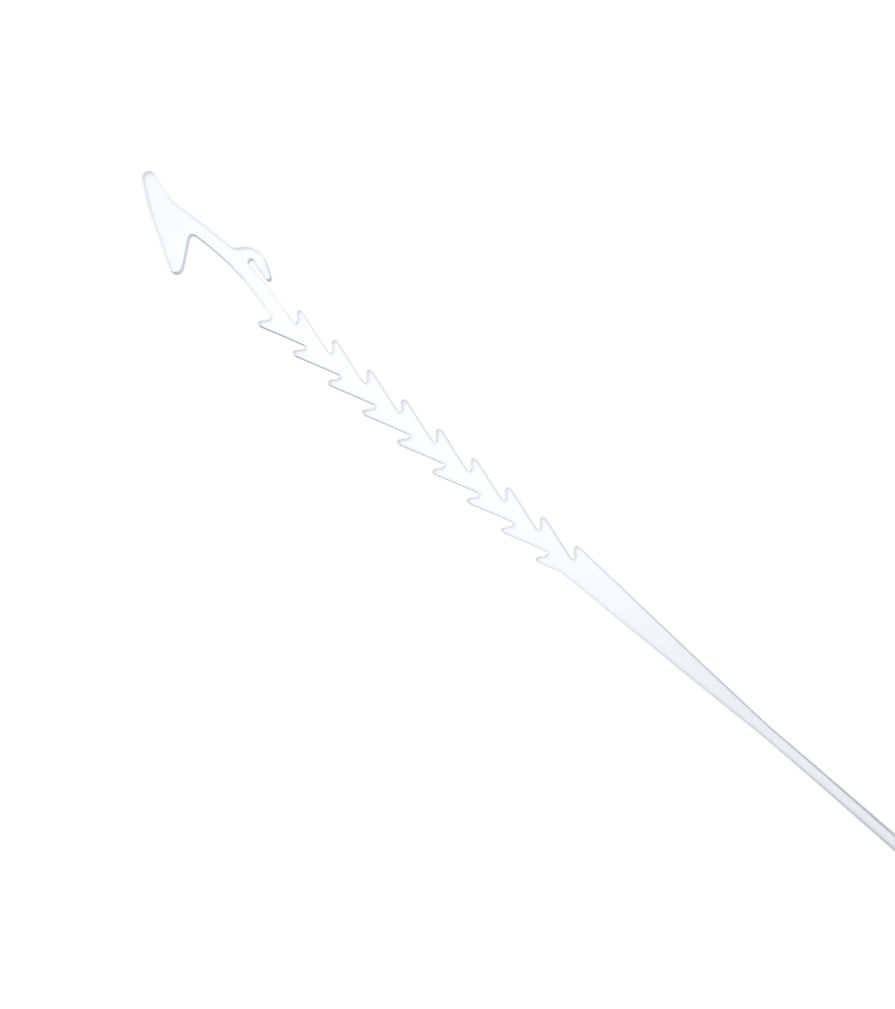
SeptAlign is a small bioresorbable implant that acts like a temporary brace, gently straightening the septum.
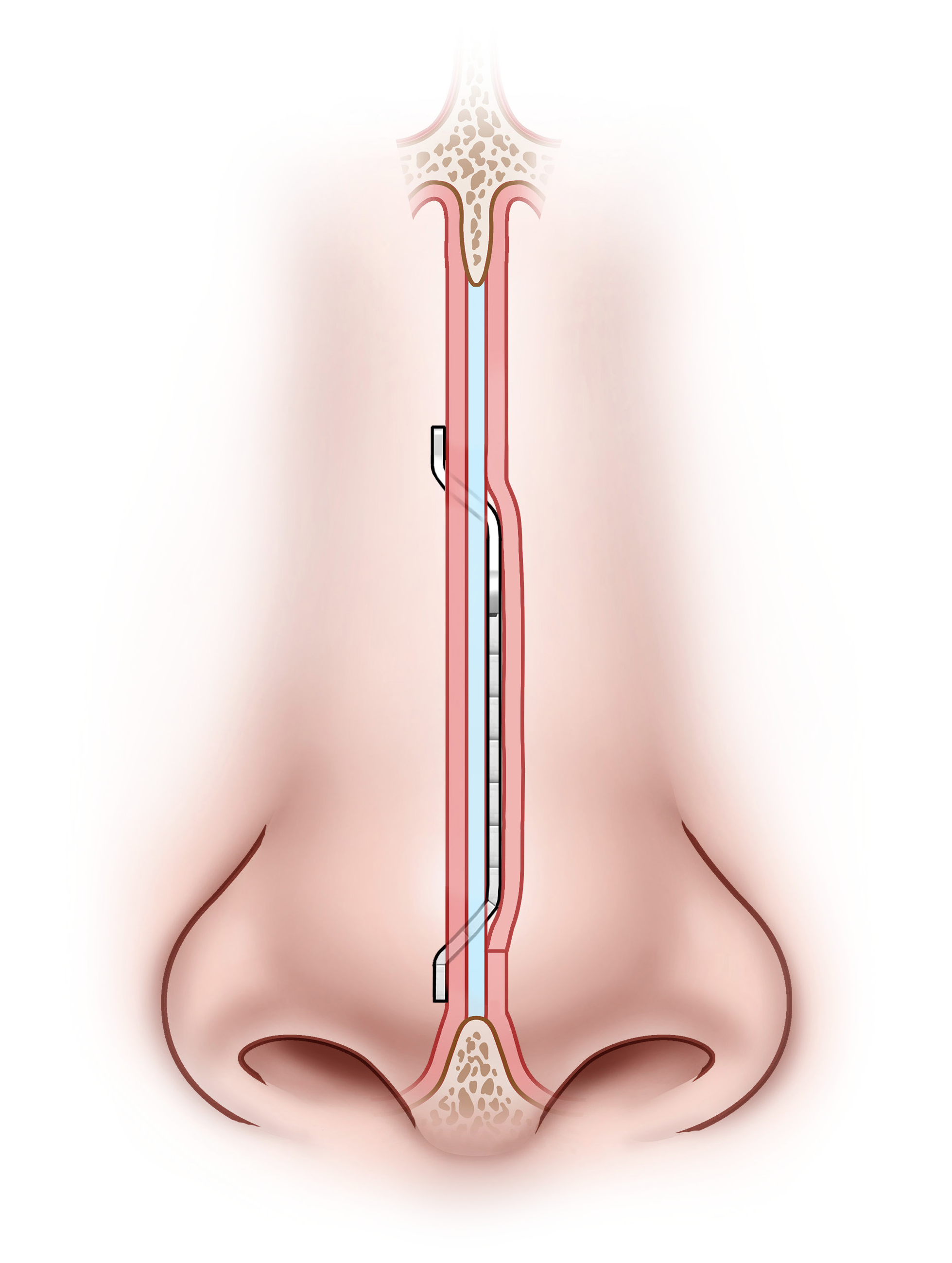
Stabilize
The implant holds the septum in its corrected position while the cartilage naturally heals and takes on the new shape.
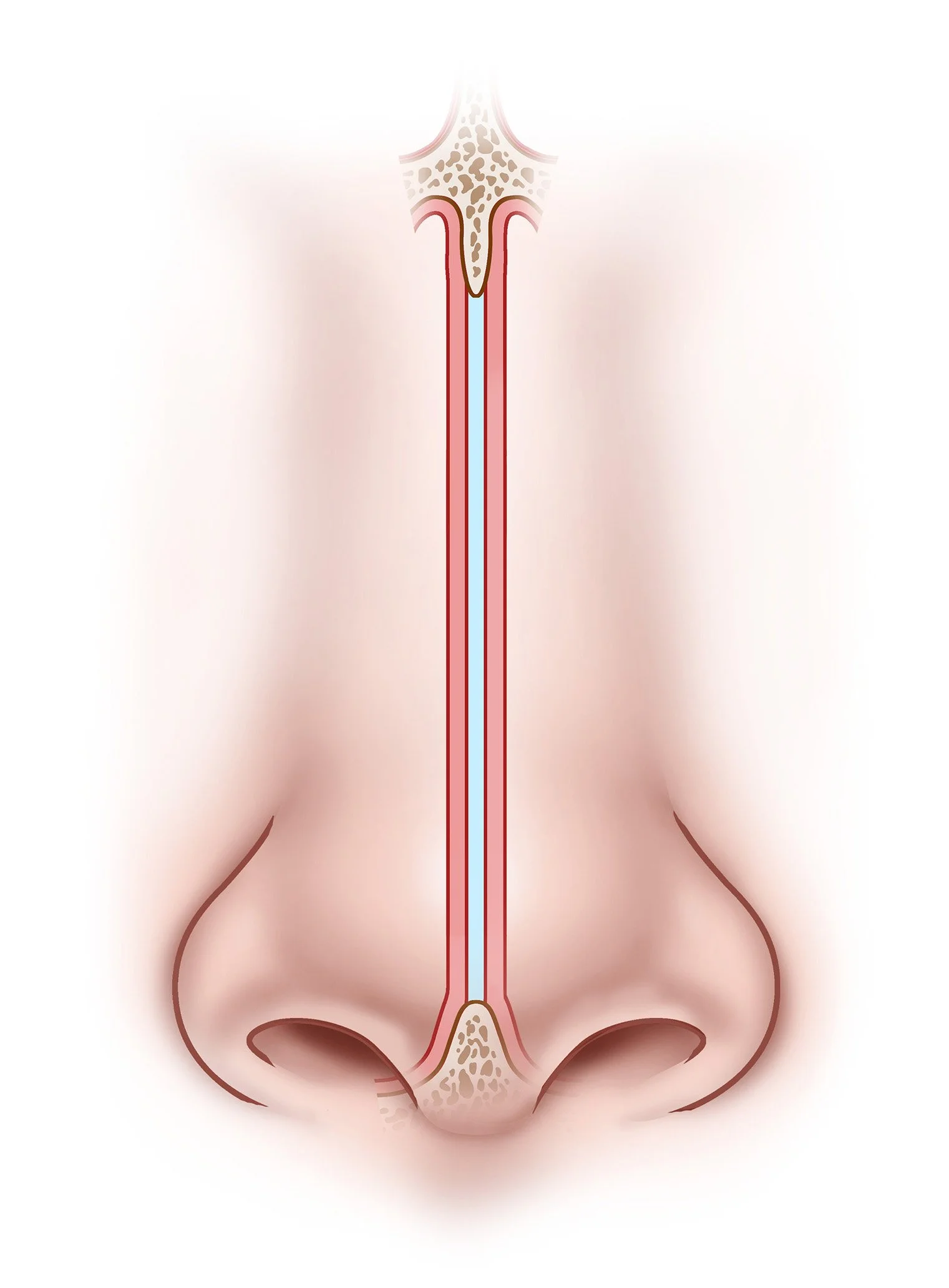
Dissolve
After approximately six months, the implant is safely resorbed by the body, leaving nothing behind.
Why choose SeptAlign?Designed Around Your Anatomy — and Your Recovery

Minimally Invasive
Designed to straighten the septum without removing healthy cartilage.

Preserves Natural Anatomy
Maintains the structural integrity of your nose.

Easy Recovery
Most patients return to work within days rather than weeks.

Long-Term Results
Provides durable correction while the implant naturally resorbs.

Nothing Left Behind
The implant dissolves within six months.
Clinically Proven
Shown to be safe and effective in two clinical studies.
Backed by clinical evidenceResults You Can Feel
SeptAlign has been evaluated in two clinical studies and shown to be a safe and effective treatment option for patients with a deviated septum. Study results evaluating SeptAlign as a stand-alone treatment — with or without inferior turbinate reduction — showed:
Excellent safety profile
Significant improvement in breathing symptoms
Long-term durable results
High patient satisfaction
97%
Would recommend SeptAlign to a friend or family member
1 Day
Median return to work
2
Clinical studies demonstrating safety & efficacy
Interested?Is SeptAlign Right For You?
Ideal SeptAlign candidates generally:
01
Have difficulty breathing through the nose
02
Have been diagnosed with a deviated septum
03
Are looking for a minimally invasive treatment option
04
Want to preserve their natural anatomy and the structural integrity of their nose

Frequently Asked Questions
-
A deviated septum occurs when the wall of cartilage and bone that separates the left and right sides of your nose is crooked or off-center. This can narrow one or both nasal passages, making it difficult to breathe through your nose.
Many people are born with a deviated septum or develop one after an injury. While some people have no symptoms, others experience chronic nasal congestion, difficulty breathing, poor sleep, headaches, frequent sinus infections, or difficulty exercising.
-
Traditional septoplasty straightens the septum by cutting, reshaping, or removing portions of cartilage and bone.
SeptAlign takes a different approach. It uses a small bioresorbable implant to straighten the septum, while preserving your existing cartilage. The implant acts like a temporary brace, helping hold the septum in its corrected position as it heals before naturally dissolving over time.
The goal is to improve breathing while preserving your natural anatomy through a minimally invasive approach.
-
SeptAlign is used during a septoplasty procedure, but unlike traditional surgical septoplasty, it is designed to straighten the septum without cutting or removing healthy cartilage.
Your physician will determine whether SeptAlign is appropriate for your specific anatomy and treatment needs.
-
Every patient heals differently but many patients return to normal daily activities within just a few days. In our Vayu clinical study, the median time to return to work was one day. Your physician will provide specific recovery instructions based on your procedure and medical history.
-
No. SeptAlign is made from a bioresorbable material that is designed to gradually resorb over approximately six months. By that time, the implant has already helped support your septum while it heals, leaving nothing behind.
-
Most patients are not aware of the implant once it has been placed. It is designed to support the septum during healing while remaining comfortably positioned inside the nose. Avoid picking your nose or aggressively blowing your nose after your procedure to ensure the implant isn’t dislodged. If you have questions about what to expect during recovery, your physician can discuss them with you.
-
Septoplasty is typically covered by insurance when it is considered medically necessary. Coverage depends on your specific insurance plan, medical diagnosis, and where your procedure is performed.
Your physician can help you understand what coverage may apply to you.
-
You may be a candidate for SeptAlign if you:
Have difficulty breathing through your nose
Have been diagnosed with a deviated septum
Have symptoms such as chronic congestion, poor sleep, headaches, or difficulty exercising
Are looking for a minimally invasive treatment option
The best way to find out is to schedule an evaluation with an ear, nose, and throat (ENT) specialist, who can examine your nasal anatomy and recommend the treatment option that's right for you.

contact UsReady to breathe easier?
Learn whether SeptAlign may be the right treatment option for you.
WEB-001-04